Quarterly Newsletter – 2026 Edition 4 – September
September 11, 2026 | Newsletter
Upcoming Delegates Meetings
The September Delegates Meeting will be replaced this year with the 2026 Biennial Tribal and State Leaders Health Summit.
December 10, 2026 – Delegates meetings will be a part of our 3-day Tribal-State monthly meetings; December Meetings will be held at the Jamestown S’Klallam Tribal Center – Red Cedar Hall. Please reach out to info@aihc-wa.com if you need more info on hotel reservations or location.

2026 Tribal and State Leaders Health Summit – September 14 – 18, hosted by the Squaxin Island Tribe and held at the Little Creek Casino Resort. Register here.
Upcoming Events
- Stay up to date on all upcoming events – Check out the calendar on our website for upcoming meetings and events: https://aihc-wa.com/calendar
- 2026 Biennial Tribal and State Leaders Health Summit – September 14-18, 2026; hosted by the Squaxin Island Tribe and held at the Little Creek Casino Resort. Register here.
- Governor’s Indian Health Advisory Council (GIHAC) Meeting – December 10, 2026, from 9 am to 12 pm, and held in person at the Jamestown S’Klallam Tribal Center – Red Cedar Hall. Virtual participation via Zoom is also available. Contact info@aihc-wa.com with questions.
Welcome Tatyana Barron to AIHC!

Tatyana joins us as a new staff member focused on special project and administrative support. She is taken over the responsibilities for meeting minutes previously handled by Pam Priest, who retired August 1st. Please take a moment to say “hi” and welcome Tatyana when you see her at the Tribal State Health Leaders’ Summit next week!
From the Executive Director
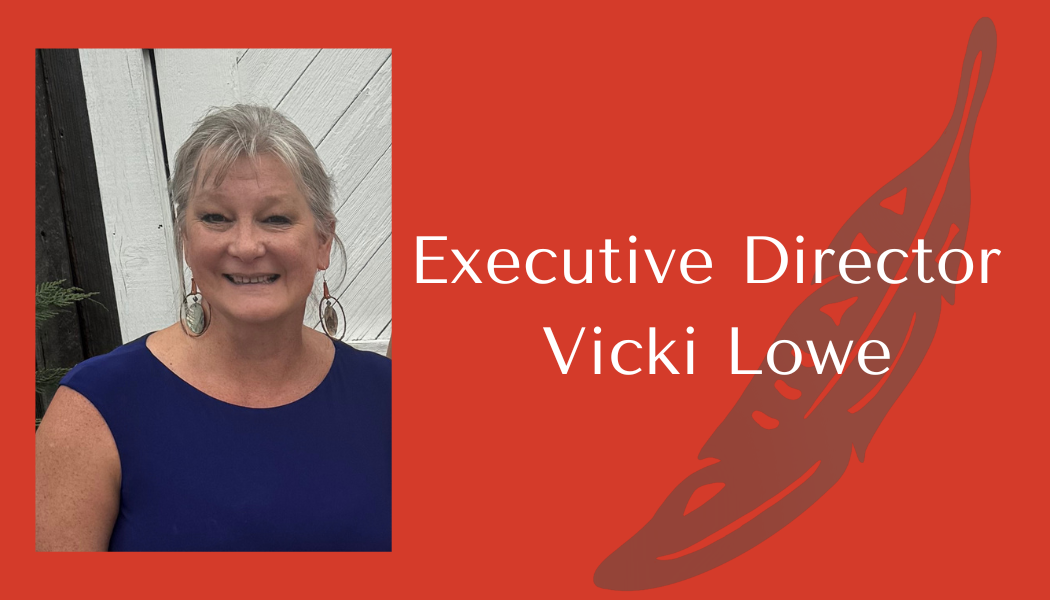
Vicki Lowe, Executive Director
It is once again time for our AIHC Biennial Tribal and State Leaders Health Summit. Because we are also supporting the WA Tribal Opioid and Fentanyl Summit, we have combined them both into a week-long summit. We hope to see you next week in Squaxin Island. We know that the ATNI Fall Conference is scheduled at the same time at the Snoqualmie Tribes. We are sorry for this conflict and have made a commitment to work better across Tribal organizations to plan better in the future.
In preparing for our summit and rereading the 1997 issue of the American Indian Health Care Delivery Plan, I was reminded of how much our process of defining priorities, working on them, reviewing, adjusting and moving forward has not change much over the past 32 years. In the 1997 Plan, there were 20 recommendations and a plan to work on them. They were revisited in 1999, setting up the process to work on priorities every two years in alignment with the state budget process.
This year’s summit will have few presentations. We want to have conversations with you, not at you. Your feedback is very important to us; we can only do our work with direction from you.
If you are unable to join us, we will miss you. If you still want to give feedback, we will send out information after the summit but before Centennial Accord to get your input.
Our priorities from the current biennium can be found on our website here:
AIHC-2025-26-Priorities-Annual-Delegates-Meetings.pdf
If you ever have concerns or questions about what AIHC is working on, please reach out to me so we can talk. Remember – we work for you.
Yəhúməct,
Vicki

Emergency Response
Jessica McKee, Tribal Public Health Programs Administrator
2026 FIFA World Cup
Following the COVID-19 pandemic, Tribes advocated for the DOH Tribal Liaison position within the Incident Management Team (IMT) to be staff by AIHC. During the pandemic, Lou Schmitz worked tirelessly on behalf of Tribes to make sure Tribes had access to what they needed for response – this included access to state staff for government-to-government response work to happen. During the After-Action Report process, Tribes indicated that they would like that to continue because having someone advocating on their behalf in IMT who was not ultimately reporting to the Governor was useful.
In the Consultation for the Tribal FPHS funds, there was agreement that AIHC’s scope of work should include the capacity to staff the Tribal Liaison position to DOH’s IMT. During the planned 2026 FIFA World Cup response, AIHC worked with DOH to establish weeklong rotations with DOH Office of Tribal Public Health and Relations staff throughout the events. This included attending command and general staff meetings and sending out Incident Action Plans and Situation Reports to Tribes. Overall, the events went well and kudos to the Puyallup Tribe for being the first Tribe to serve as a host for the World Cup!
2026 Wildfire Response
During the state’s wildfire response, DOH activated briefly to support ESF-8. The response was anticipated to run through the end of October 2026, so AIHC worked with OTPHR staff to come up with a rotation for that time period. Instead, DOH demobilized after a little over a week. Tribes, local health jurisdictions, and other state agencies have continued to respond and resources from DOH are still available.
If N-95 masks or air filtration are needed at your Tribe, please reach out to logistics@doh.wa.gov. If you are looking to donate to an impacted Tribe, their links are available here. Each impacted Tribe is also giving updates through their Facebook pages so follow them there for more information.
Environmental Public Health
Faith Turk, Environmental Public Health Coordinator
This month in Tribal FPHS meeting which set aside time discuss Tribal environmental public health priorities. We asked participants to mind map what environmental public health means to them, then asked they rank those definitions in order of most to least important to them. We asked participants to engage in these exercises so we could not only get a better idea of what environmental public health information, updates and resources Tribes are most interested in receiving from AIHC, but also to start the discussion for reviewing Tribal environmental public health priorities are before our 2026 Biennial Tribal and State Health Leaders Summit’s Tribal public health day, where we will continue the discussion, share updates and move forward with priority projects.
Tribal Urban Immunizations Coalition
Faith Turk, Environmental Public Health Coordinator

We also had our Tribal and Urban Immunizations Coalition (TUIC) meeting, in which we held space for tribes and Tribal orgs to share updates, had a summer Covid-19 update, then had a discussion about the Hib outbreak and its impact to Washington/ Tribal health. In this discussion we reviewed Hib provider and community education resources, how Hib impacted canoe journey, and what outreach, surveillance and emergency preparedness is happening. Finally we reviewed DOH’s updated Hib outbreak provider guidance Next, we reviewed and updated TUIC priorities for the next 2 years, and August was national immunizations awareness month so we shared some resources and closed with identifying topics for our next meeting which is set for November 12th. Resources: USET Vax-A-Nation Vaccine Campaign,Keep it Sacred’s CareForUsByUs Project: Vaccine Equity Social Media Action Messages For Tribes and Tribal Organizations, free vaccine training for medical assistants by Immunity Community and DOH’s Important Immunization Recommendations for AI/AN Children.
National Tribal Health Conference
Faith Turk, Environmental Public Health Coordinator
I had the pleasure of attending the National Tribal Health Conference alongside Amber Arndt from DOH and Summer Hammonds from the Tulalip Tribes. Together, we presented on how state and federal agencies can work with Tribes and Tribal partners to honor Tribal data sovereignty. In our presentation we shared what Tribal data sovereignty was and why it’s important. Then, we shared a comprehensive checklist for agencies to build Tribal-focused data sharing processes, the GIHAC Tribal data sovereignty principles to guide external partners/agencies, and closed out with AIHC’s Template Tribal Data Sharing agreement. Throughout the presentation, we engaged participants with questions to encourage reflection and discussion – this included having them name key elements of data sovereignty after reviewing them, asking if they have every done tribal data sovereignty work, and asking how they would include data sovereignty principals in their work beyond data sharing. Finally, we both started and ended the presentation with asking them “how familiar are you with the concept of Tribal data sovereignty?” and having them rank themselves out of five. I am pleased to say we started with mostly ones and ended with fours and fives, so I do believe participants felt they’d learned a lot.
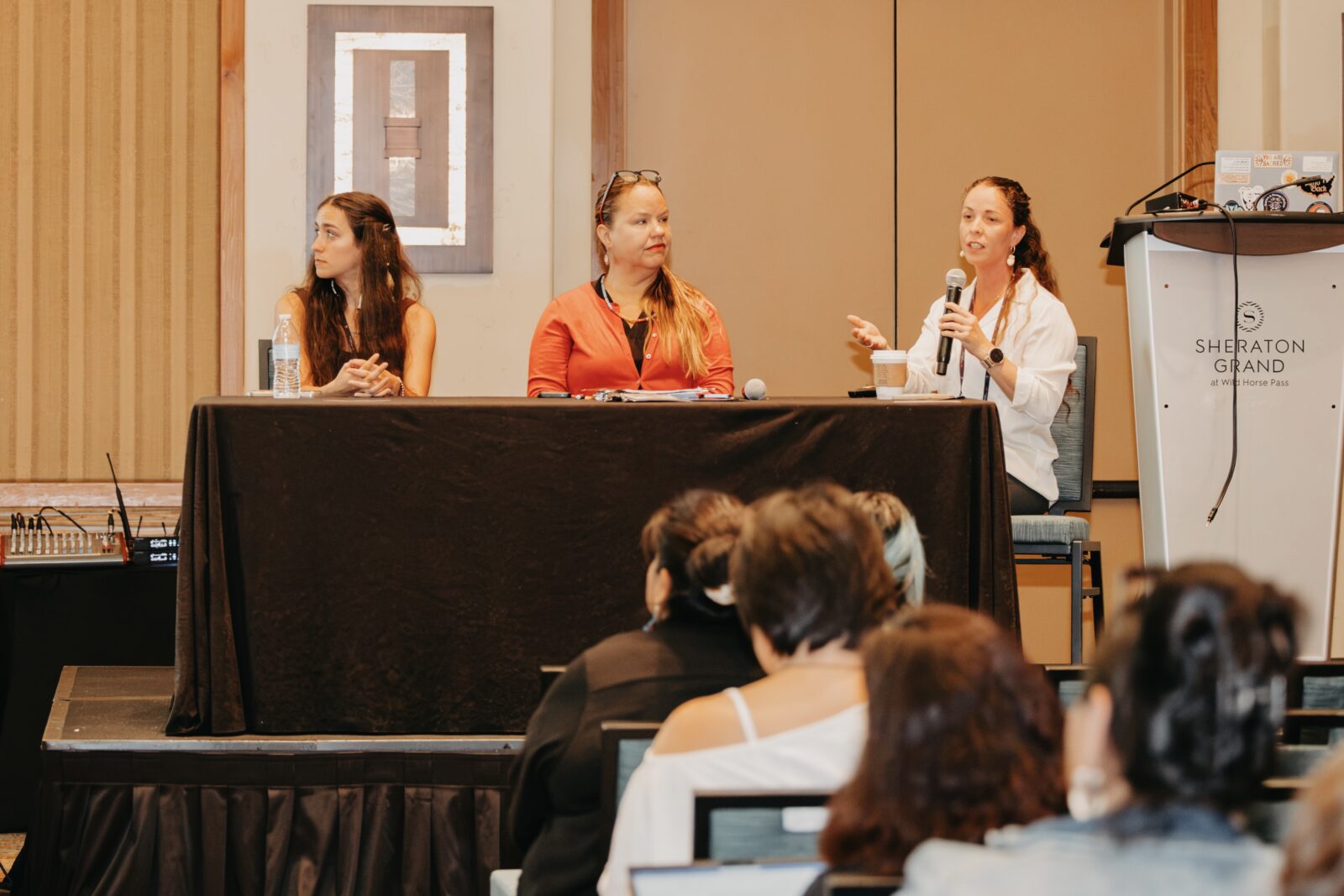

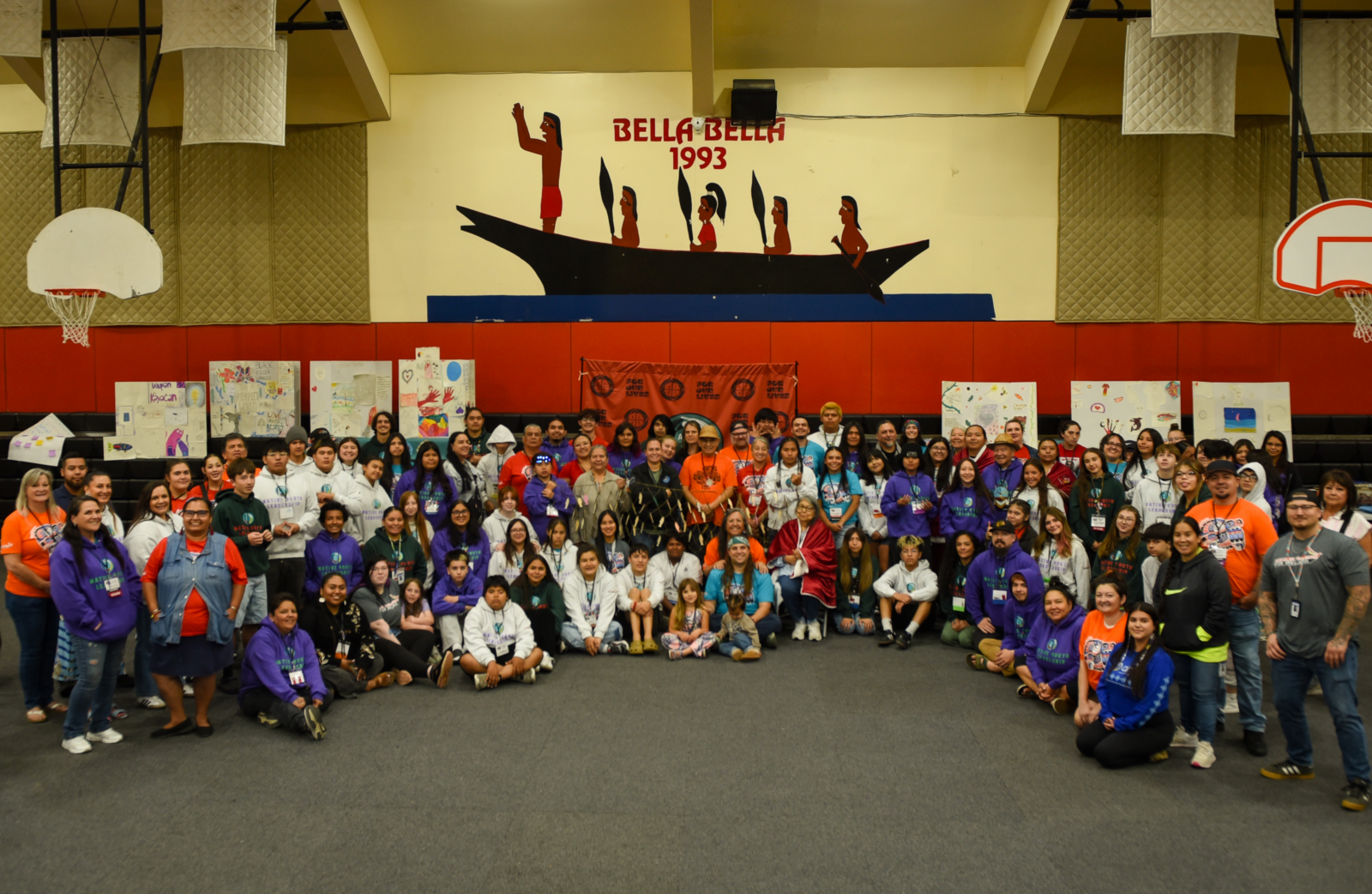
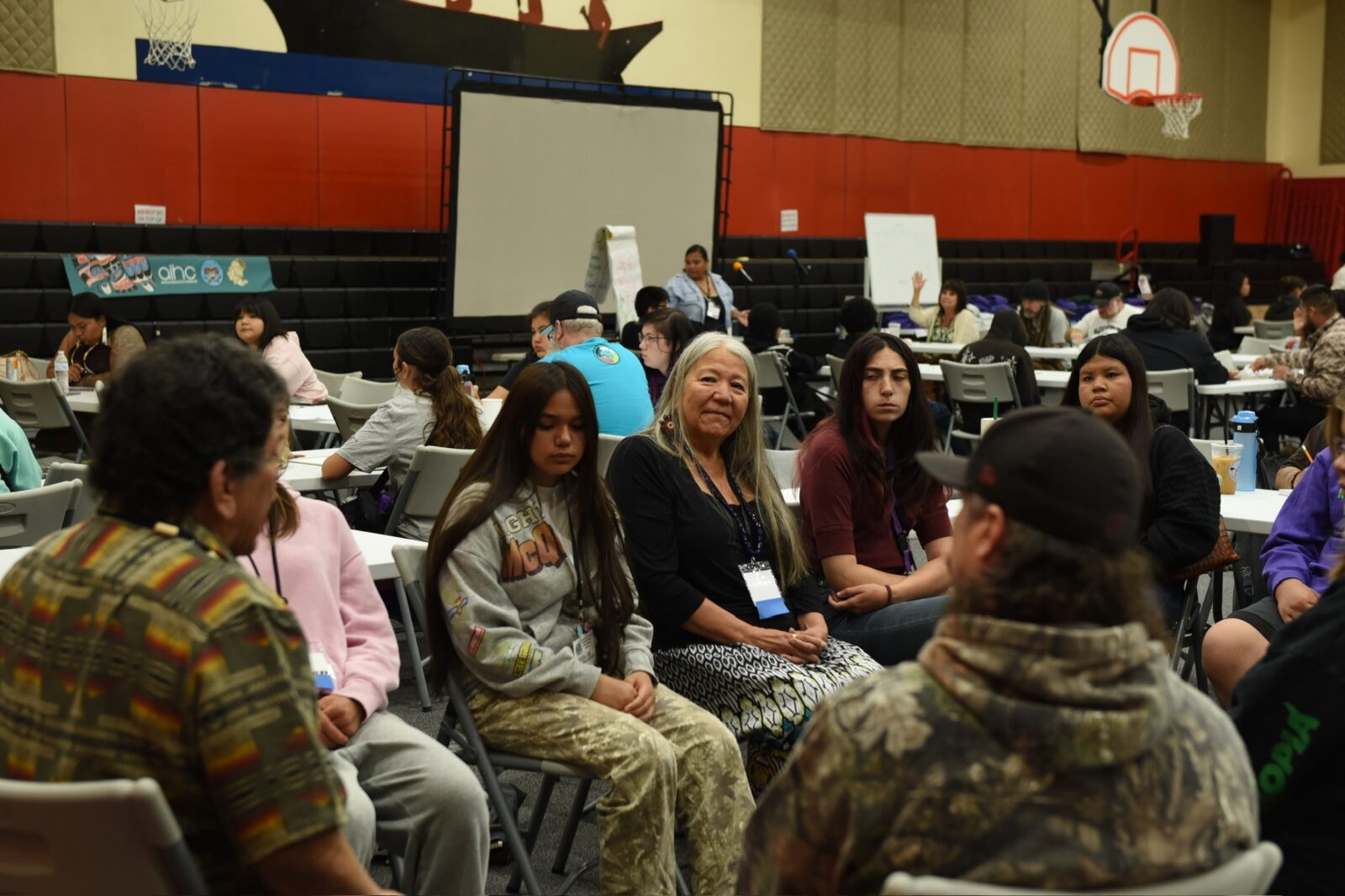
In June, we held our Native Youth Generational Leadership Summit, hosted by the Lower Elwha Klallam Tribe. The four-day event focused on 7 different sessions for each of the Youth attendees to rotate through:
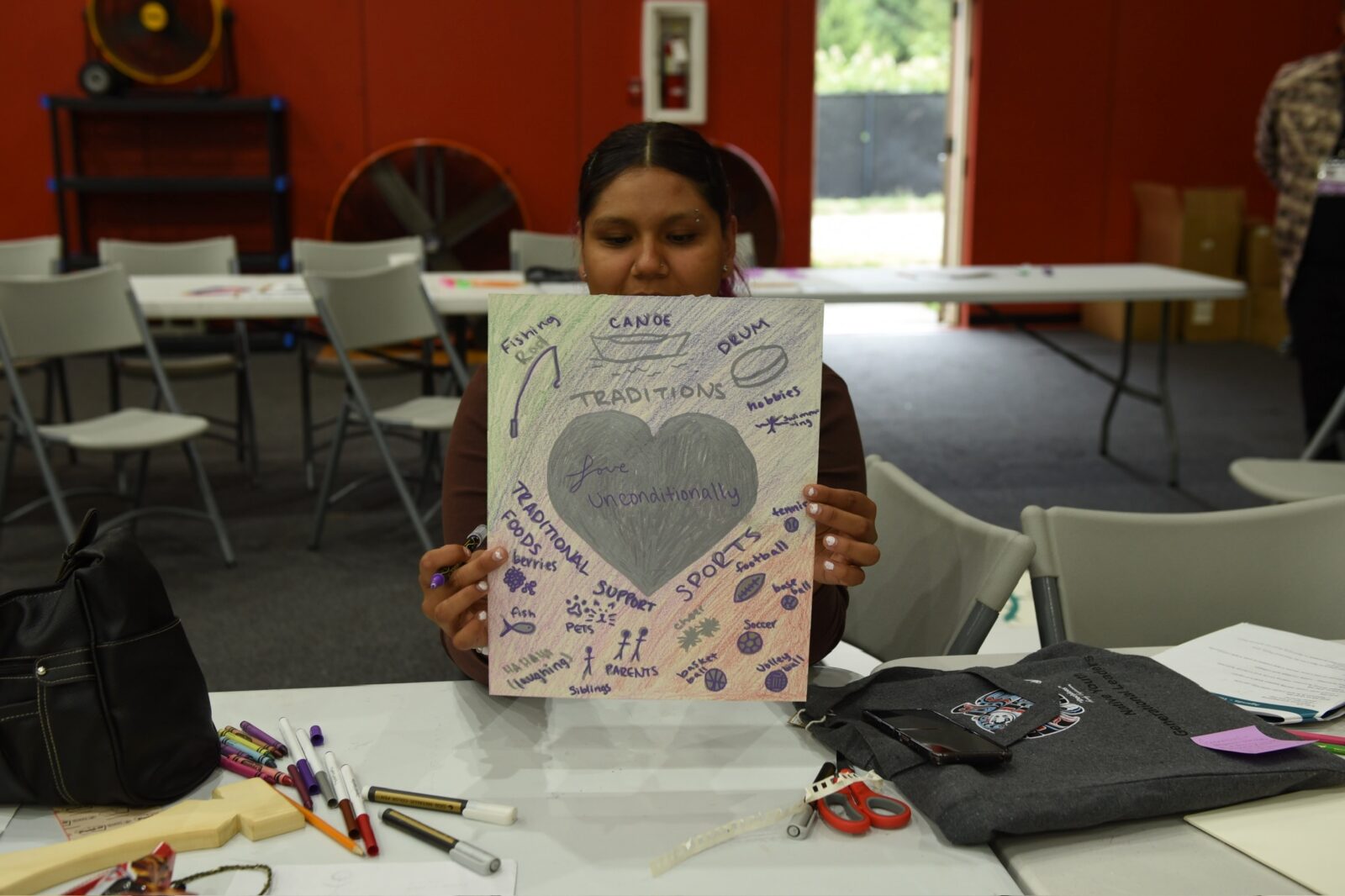
- Pulling Together for Wellness with JanMarie Ward
- Native Leadership in Story and Art with Roger Fernandes
- QPR (Question, Persuade, Refer) Training for Youth with Diane Pebeahsy
- The Breath of Our Ancestors, The Strength of Our Future with Peggen Frank
- Amplifying Your Voice with Rosalie Fish
- Generational Clarity with Justin Olmstead
- The People: Nurturing Our Native Identity and Spirit with Fern Renville
Other activities included:
- Screening and panel of The River Remembers with Setting Sun Circle
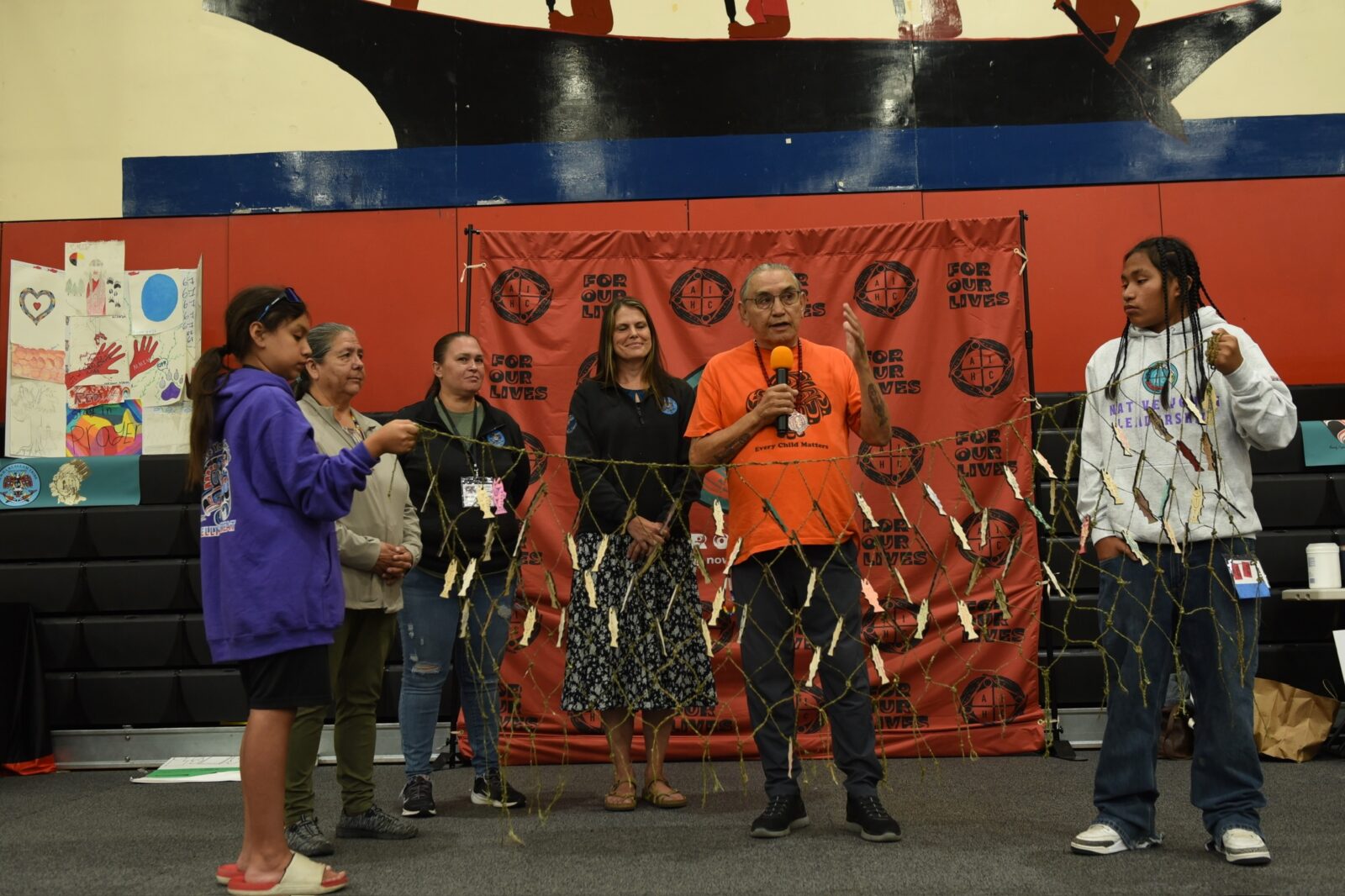
- A nettle cordage project present to the Lower Elwha Klallam Tribe at the end of the summit
- Lunch with the LEKT Elder’s Program each day
- Coastal Jam
- Behavioral Health survey with Kathryn Akeah
In total, we had 77 Native Youth from different Tribes across the state join us including our 10-person Native Youth Leadership Committee.
You can read more about the summit here.

Tribal Behavioral Health Codes Workshop
Kathryn Akeah, Tribal Behavioral Health Consultant
The Tribal BH Codes workgroup wrapped up in late July after meeting 8 times. Building a system to address more behavioral health needs within a Tribe, especially crisis related ones, means several Tribes are choosing to update their legal codes. AIHC published a template for Tribal BH Codes in 2022, and this workgroup used that as a framework to discuss various topics. Topics included robust discussions about language to use regarding authorities of BH programs and lessons learned from early adopters of Tribal designated crisis responders.
The workgroup didn’t make it through all the code language so Heather Erb and Kathryn Akeah will work via email during fall 2026 to run updated language by workgroup participants, including prosecutors, tribal attorneys, health directors, and behavioral health staff. Once the updated language has been approved by several workgroups and the Tribal Centric Behavioral Health Advisory Board, the new template will be posted on the AIHC website.
AIHC Opioid and Fentanyl Response
Lisa Rey Thomas, Tribal Opioid Response Consultant
* The Drug Enforcement Administration (DEA) has indicated that they plan to temporarily classify kratom synthetic alkaloids (such as 7-OH, MGM-15, and MGM-16) as Schedule 1 controlled substances, effective August 5, 2026. This allows for criminal punishment for selling, manufacturing, and possessing these products. This means that people who previously used kratom products legally have lost access. Please see this page at the WA Health Care Authority for more information and HCA will be releasing a Dear Tribal Leader Letter soon regarding this.
AIHC is preparing for the 4th Annual Tribal Opioid and Fentanyl Response Task Force Summit being held on Tuesday September 15 at Little Creek Casino Resort in partnership with the Squaxin Island Tribe. To prepare for the Summit, AIHC scheduled five hybrid intensive workgroup meetings held at the Tribal locations of the five WA Tribal Opioid Fentanyl Taskforce (WTOF) co-chairs. The five workgroup meetings and quarterly WTOF meeting:
- Monday August 24, WTOF Family and Community Services Workgroup held at Snoqualmie Tribe
- Tuesday August 25, quarterly WA Tribal Opioid Task Force meeting at Lummi Nation
- Tuesday August 25, WTOF Continuum of Care Workgroup held at Lummi Nation
- Thursday August 27, WTOF Community Response Workgroup held at Suquamish Tribe
- Monday August 31, WTOF Housing and Wraparound Services Workgroup held at Spokane Tribe
- Thursday September 3, WTOF Public Safety and the Justice System Workgroup held at Squaxin Island Tribe
All meetings were in person with a zoom option and followed the same format:
- Welcome and Introductions
- Review priorities from the past 3 summits, or any added since
- Accomplishments and open items
- Review any resources developed for this workgroup
- WA State Opioid and Overdose Response Plan – Elaina Perry (DOH), Kris Shera (HCA)
- Identify any incomplete and new priorities – RANK
- Summarize outcomes – what we will review during the WTOF Taskforce Summit in September
- Closing
Each workgroup documented the status of priorities set at the 2025 WA Tribal Opioid and Fentanyl Summit, noted any action items needed to move them forward OR if the priority should be dropped, and identified any new priorities established since the 2025 Summit. Notes/recordings can be found in OnBoard and the current updated priorities table can be found here.
We look forward to seeing you at the 2026 Biennial Tribal and State Leaders Health Summit September 14-18 at Little Creek with each day a different focus:
- Monday September 14, WA Tribal and State Leaders Health Summit
- Tuesday September 15, 4th Annual WA Tribal Opioid Fentanyl Taskforce Summit
- Wednesday September 16, focus on Tribal behavioral health more broadly
- Thursday September 17, focus on Tribal public health
- Friday September 18, traditional food sovereignty
Link for more information, draft agenda, and to register https://aihc-wa.com/gatherings/biennial-tribal-state-leadership/

H.R.1 and Native American and Alaska Native Communities
Laura Kluever, Enhanced Tribal Assister
H.R.1, also known as the One Big Beautiful Bill Act (OBBBA), includes provisions that may affect Native American and Alaska Native communities, especially in the areas of health care, nutrition assistance. There will be important protections for American Indian and Alaska Native individuals:
- Medicaid will not require American Indian and Alaska Native individuals to meet the federal work or volunteer requirement
- American Indian and Alaska Native individuals will continue with yearly renewals rather than renewals every six months
- Food assistance protections through SNAP will also apply. American Indian and Alaska Native individuals will not be required to meet the federal work or volunteer requirements for SNAP
The American Indian Health Commission is currently working with the Washington Health Care Authority and the Washington Health Benefit Exchange to create a one-page reference guide for clients and Tribal Assisters. This also includes input from the tribal assister. Additional one-page resources are also being developed for the 2026 open enrollment season, which begins November 1 and ends January 15.
Once available, these handouts will be posted on the Tribal Assisters – American Indian Health Commission webpage.
These resources will be available soon after they have completed the required policy review process.
Rural Health Transformation Funds Bring New Opportunities for Washington State Tribes and Indian Health Care Providers
Vicki Lowe, Executive Director and Heather Erb, Lead Policy Advisor
H.R.1. represents the largest cuts to health care in American history, and while H.R.1. provides limited exemptions for American Indians and Alaska Natives (AI/AN), the new law’s wide-sweeping and systematic changes undoubtedly threatens the Indian health care delivery system. In response, Tribal governments and Indian health care providers (IHCPs) have been strongly advocating for the preservation of their health care facilities and the vital services they provide to their communities each and every day.
One small ray of light is H.R.1’s $50 billion Rural Health Transformation Program (RHT). States can use these funds to support rural health care providers and to promote interventions that improve prevention and chronic disease management. The RHT program definition of rural health care providers includes Tribal and Urban Indian federally qualified health centers.[1]
In December 2025, the Centers for Medicare and Medicare (CMS) awarded Washington State Health Care Authority (HCA) $181 million under the RHT Program. The State’s application for funding relied heavily on Tribal and IHCP data to demonstrate the State’s unmet rural health care needs. The application also stressed the significant contribution of Tribes and IHCPs to Washington’s rural health care system: “Indian health care providers function as indispensable anchors of the broader rural health system by offering comprehensive, culturally congruent care,” and Tribes have an “essential role as government-to-government partners in driving transformational rural health access.”[2]
Tribes recently negotiated with HCA for a 10% aside resulting in $19 million dollars in RHT funds for the 29 Tribes in Washington State. These funds can be used to support workforce expansion, enhanced care coordination, and other related activities. While we applaud HCA’s establishment of these funds, it will be critical that HCA’s RHT implementation efforts align with the State’s commitment to support Tribes and IHCPs who serve an outsized role in rural health care. These efforts must include:
- Ensuring Tribes and IHCPs have fair and equitable access to funds beyond the $19 million set aside for Tribes;
- Setting aside additional noncompetitive funds for Urban Indian Health Programs who serve 10,000 patients combined and are critical to the State’s rural health care delivery system;
- Ensuring that RHT program activities do not interfere with existing IHCP-patient relationships including those with non-AI/AN community members who rely on IHCPs as the sole Medicaid provider in their community.
- Ensuring that RHT program activities do not increase barriers to AI/AN access to health care;
- Providing RHT information to Tribes and IHCPs in a timely manner; and
- Engaging with Tribes in Tribal listening sessions, roundtables and formal Tribal Consultations throughout the Washington’s RHT Program.[3]
AIHC is here to support Tribes and IHCPs in ensuring the State honors Tribal sovereignty and fulfills their commitment to support improvements in rural health care in Indian country. Please reach out to Vicki Lowe at vicki-lowe@aihc-wa.com for any questions.
[1] §71401(a)(h)(3)(D)(viii).
[2] HCA Rural Health Transformation Program Project Narrative, p.4.
[3] HCA Rural Health Transformation Program Project Narrative, p. 20 and 37.
How Washington Saves State Funds by Providing Health Services through Indian Health Care Providers
Jen Olson, Epidemiology Consultant
Background: What is FMAP?
- FMAP stands for the Federal Medical Assistance Percentage, which is the rate the federal government uses to pay for a share of each state’s Medicaid and CHIP (Children’s Health Insurance Program) costs.
The federal government and state governments share Medicaid costs. FMAP determines the exact percentage paid by the federal government. States with lower average incomes receive a higher federal matching rate. By law, the base FMAP rate cannot be lower than 50% or higher than 83%. For example, at a 50% FMAP, the federal government contributes one dollar for every state dollar spent.
The Federal Medical Assistance Percentage (FMAP) for American Indians and Alaska Natives (AI/AN) is a federal funding rate where the federal government covers 100% of Medicaid costs for eligible services provided through Indian Health Service (IHS) or tribal facilities.
The state saves money because it doesn’t have to pay its normal share for Medicaid services provided to these patients.
100% FMAP eligible patients must meet these criteria:
- The patient must be an enrolled AI/AN individual and eligible for Medicaid.
- WA Medicaid currently determines this based on the T-1015 modifier added to each line of the eligible Medicaid claim in Provider One.
- Services (Encounter) must happen through an IHS-run facility or a facility run by a Tribal organization.
- Currently, Urban Indian Organizations do not quality for 100% FMAP.
- Instead of splitting the bill, the federal government pays the state back for the full cost of that care for Medicaid services provided to an enrolled AI/AN individual served through an IHS-run or Tribal-run facility.
$100M = Estimated State savings captured by the 100% FMAP billing for AI/AN Medicaid claims served through an IHCP are kept by the State compared to if those same patients were served through non-Tribal or IHS facilities. Here’s the math:
28K = An average of 27,870 AI/AN (IHS beneficiaries) Medicaid clients were served through IHCPs in 2022-2024. The state came close, but did not achieve 100% FMAP reimbursement from the federal government for these Medicaid clients.
According to the HCA Apple Health data dashboard, there are nearly 2 million residents enrolled in Medicaid (Apple Health) in Washington. This represents approximately 24% of the state’s total population.
$4K = The state share of Medicaid services per client in 2024. In 2024, Medicaid services for WA residents cost 21.3B ($10,500/per client), approximately 8B (~$3950/per client; 37.5%) of that was the WA share. This averages to $10,500 per client in WA. As a rough average, WA uses state funds to cover 37.5% of Medicaid services to clients served through non-Tribal facilities with the federal government covering an average of 62.5%.
$100M = The difference between $410 per AI/AN client/year if served through an IHCP and $3,950 per Medicaid client per year if these same AI/AN Medicaid clients would have been served through non-Tribal facilities is $3,540 per client; $98,659,800 total per year. The state saves approximately $100,000,000 per year because of the 100% FMAP eligible services provided through Tribal Health Care Facilities.
The case for improved tracking of realized (and unrealized) state savings for 100% FMAP eligible clients
The cost to WA for Medicaid services provided to AI/AN clients served through a Tribal facility averaged $11,430,309 per year, or $410 per year per Medicaid AI/AN client for Medical, Dental, SUD, Mental Health and Pharmacy services billed through an IHCP. This cost to WA per client does not include the additional services provided through IHCPs such as unbilled care coordination, SDOH screening, HRSN referrals, Traditional Medicine, home visits by CHRs and nursing staff to name a few unpaid services provided by IHCPs. Improved tracking and reimbursement of qualified 100% FMAP Medicaid services would bring this total closer to $0 state share.

Watch for opportunities to prepare for and join our Tribal Health Legislative Day in Olympia. Make sure you add info@aihc-wa.com as a safe sender.